Deciphering the Fungal Frontier: Seth Peribsen’s Theory of Ancient Infection
An investigation into how invasive yeast networks may have shaped human evolution, cognitive health, and the phenomenon of non-human intelligence.
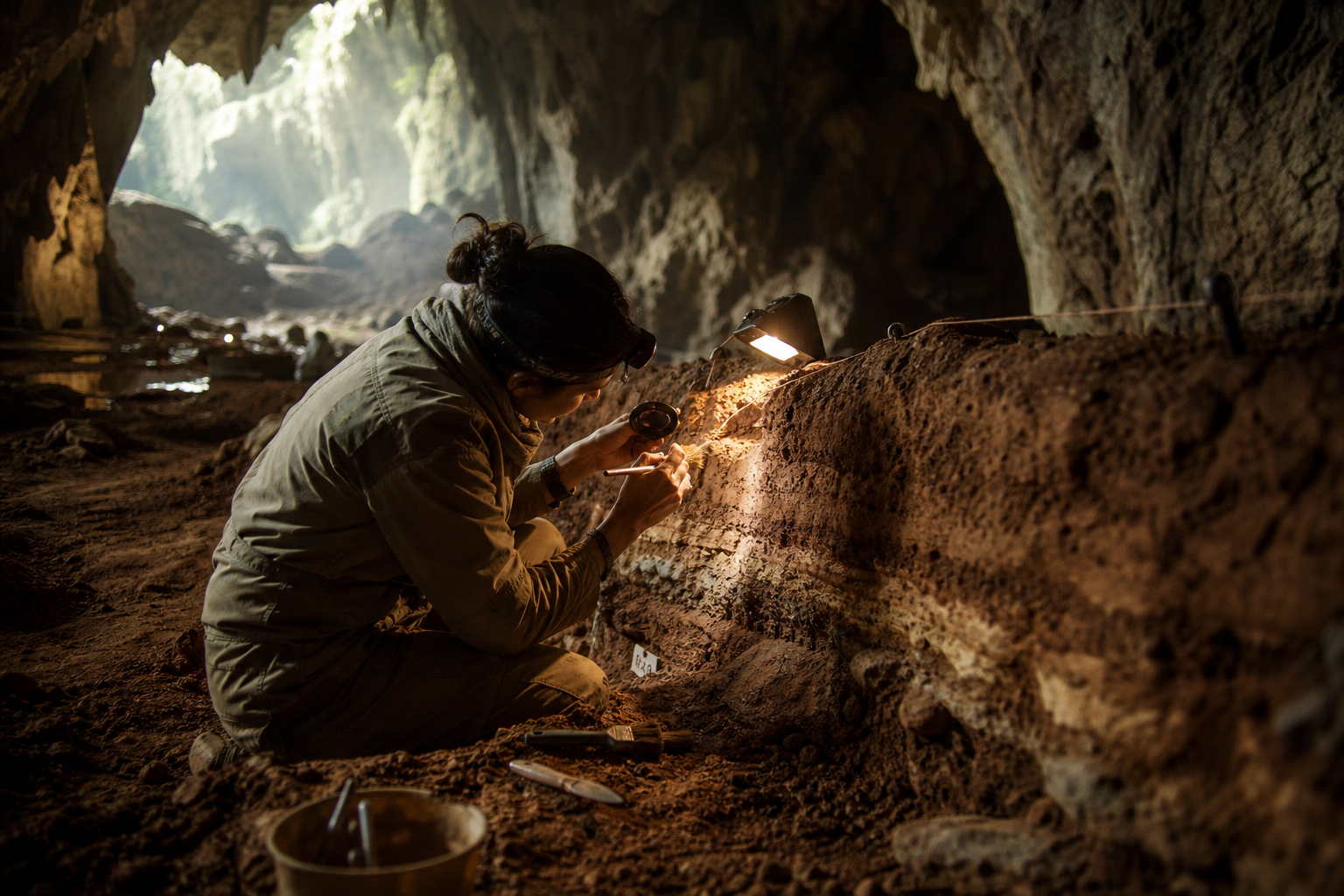
In the study of human evolution, we often look to the standard drivers of change: climate shifts, the advent of agriculture, or the mastery of fire. But according to Seth Peribsen, a researcher investigating the intersection of biology and high strangeness, the most profound shift in the human story may have been a microscopic invasion. Peribsen’s theory, formulated through an analysis of ancient archaeology and modern microbiology, suggests that humanity is currently host to a sophisticated, non-human intelligence that is not extraterrestrial, but biological. This "fungal frontier" posits that invasive yeast networks have colonized the human body to such a degree that they may influence our cognitive health, our physiological thresholds, and perhaps even our cultural history. By looking at the ancient world through the lens of pathology, Peribsen suggests we can find the moment our species was compromised—and perhaps discover the true nature of the "control system" that governs human experience.