The Fuel of Prohibition: Were the Alcohol Bans Really About Oil?
Uncovering the theory that Rockefeller and the 'Oil Mafia' systematically dismantled sustainable energy and transport competitors.
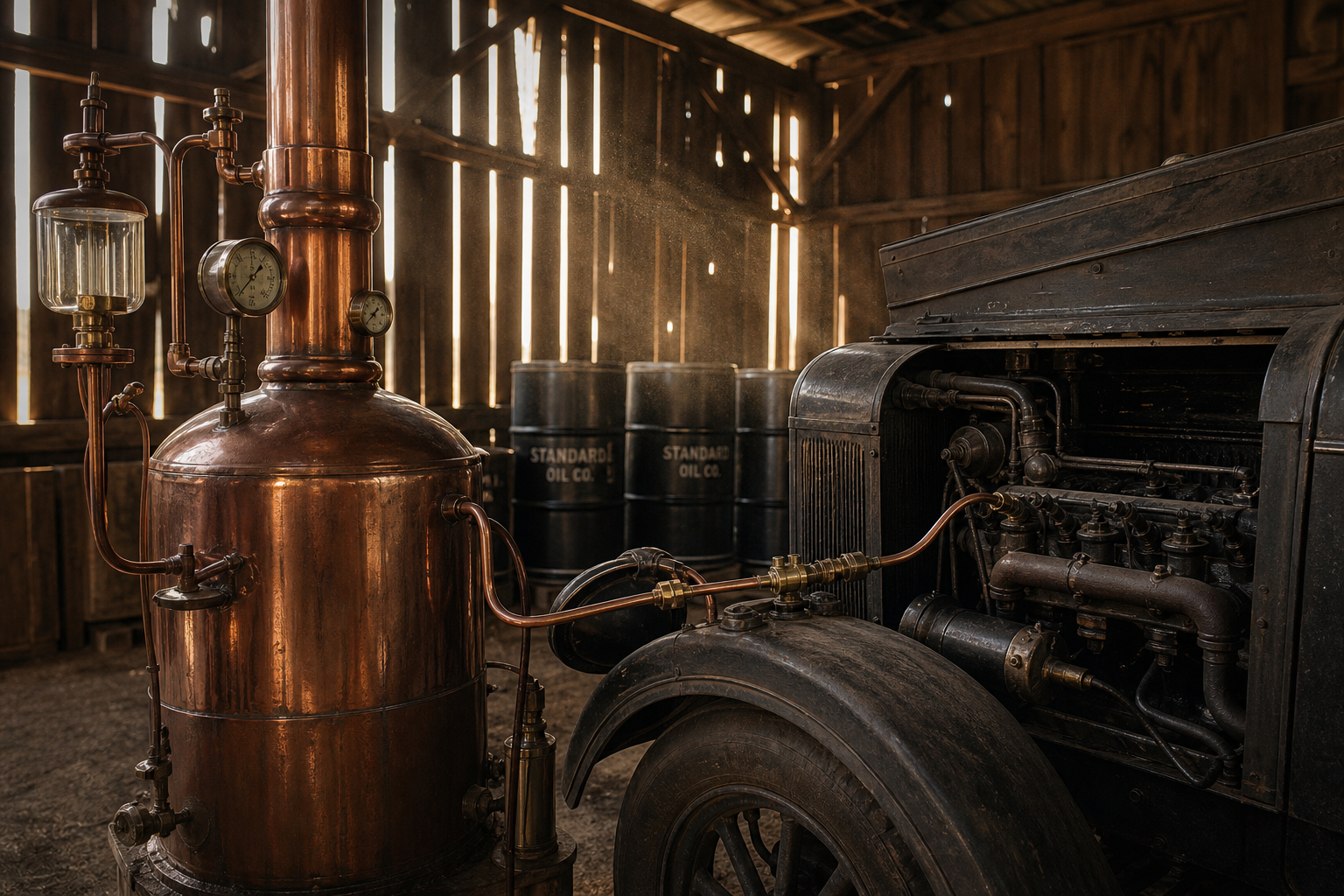
The prevailing narrative of American history is often written in terms of moral progress. We are taught that Alcohol Prohibition was the hard-won victory of the Temperance movement—a grassroots groundswell of "little housewives" concerned about the sobriety of the American family. We are told the ban on hemp was a necessary strike against a dangerous narcotic, and that the death of the zeppelin was the inevitable result of a tragic, combustible accident. But what if these milestones weren’t about morality or safety at all? A deeper look at the economic landscape of the early 20th century suggests a different driver: the systematic elimination of competitors to the burgeoning oil industry. In recent years, researchers and technology enthusiasts have begun connecting the dots between these seemingly disparate events. The theory suggests that the "Oil Mafia," led by titans like John D. Rockefeller, didn't just capitalize on social movements; they funded and weaponized them to ensure a global "oil-only" economy. By dismantling the infrastructure of hemp, alcohol fuel, and non-petroleum transport, they didn't just sell a product—they foreclosed on a future of decentralized energy, trading human autonomy for a century of fossil fuel dependence.